Physical Address
304 North Cardinal St.
Dorchester Center, MA 02124
Physical Address
304 North Cardinal St.
Dorchester Center, MA 02124
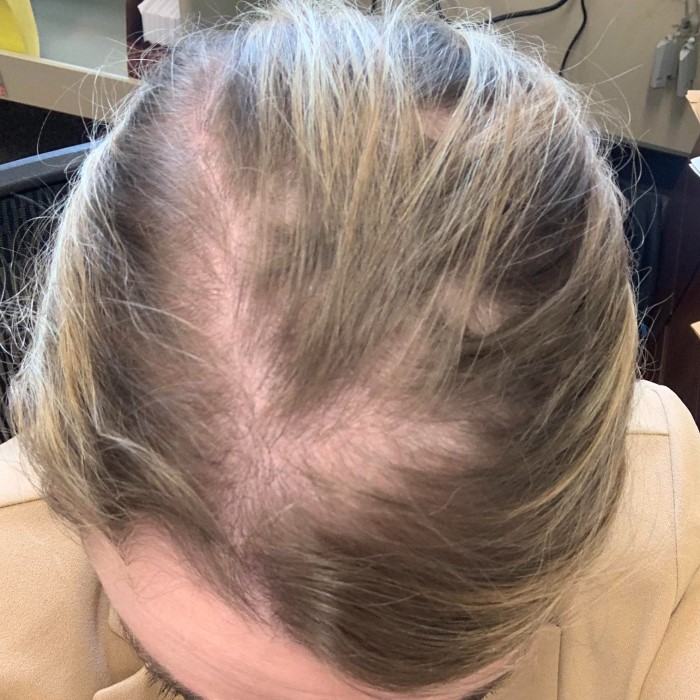
Accutane, scientifically known as isotretinoin, is a powerful medication commonly prescribed for severe acne that does not respond to other treatments. While it has proven effective in clearing acne and preventing future breakouts, many patients have raised concerns about its side effects, particularly regarding hair health. A frequent question that arises is, is Accutane hair loss permanent?
Understanding the relationship between Accutane and hair loss is essential for individuals considering this treatment. Awareness of potential side effects empowers patients to make informed decisions about their skin health. In this article, we will dive into the research surrounding Accutane and its effects on hair loss, addressing concerns, and clarifying common misconceptions.
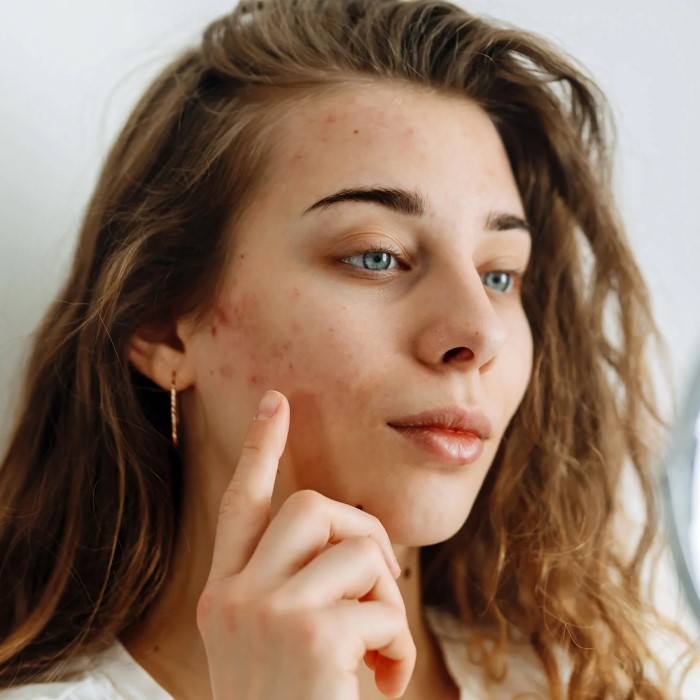
Accutane works primarily by reducing the size and activity of sebaceous (oil) glands in the skin. This subsequent decrease in oil production helps prevent the clogging of pores, a key factor in acne development. By directly targeting the root cause of severe acne, Accutane can lead to long-lasting results.
Typically, Accutane is prescribed for a duration of 4 to 6 months, depending on the severity of the acne and individual patient factors. Before beginning treatment, patients undergo a thorough evaluation to ensure that they meet the eligibility criteria, given the medication’s potential for serious side effects.
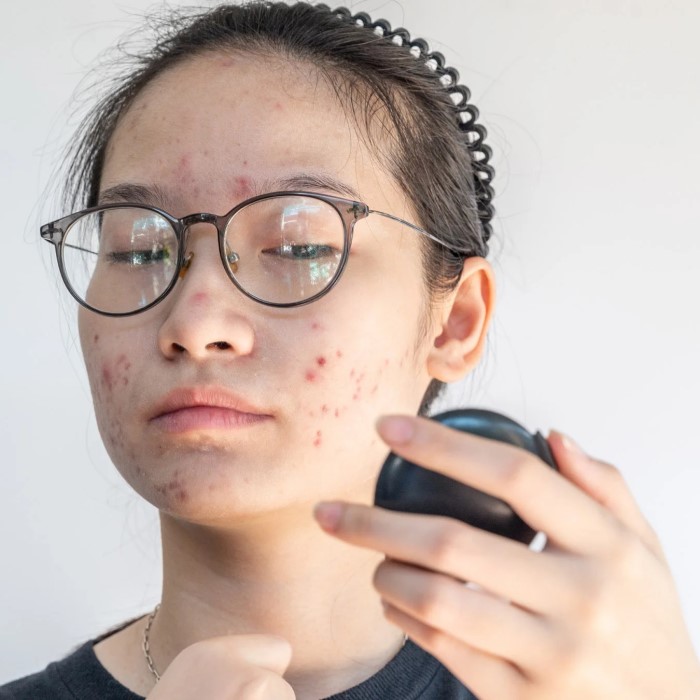
Is Accutane hair loss permanent? Among the various side effects reported by Accutane users, hair loss has emerged as a significant concern. Patients have expressed anxiety over whether this hair loss could be permanent. Research indicates that while hair loss is a documented side effect, the extent and permanence of this effect can vary widely among individuals.
Several studies have explored the connection between Accutane and hair loss. Here are some key findings:

Long-term follow-up studies on patients treated with Accutane show promising results concerning hair regrowth. For instance, many patients who finished their isotretinoin regimen reported their hair not only returned but sometimes appeared healthier due to the significant reduction in acne and associated skin issues.
Accutane can cause hormonal changes that affect hair growth. Hormones such as androgens can influence the hair growth cycle, potentially leading to increased hair shedding. Individual responses to these hormonal fluctuations vary widely based on genetics and pre-existing conditions.
Maintaining proper nutrition is essential during any medical treatment. Accutane may cause side effects such as nausea or changes in appetite, leading to possible deficiencies in crucial nutrients. Nutrients like biotin, zinc, and iron are vital for hair health, and deficiencies can exacerbate hair loss.
The psychological impact of severe acne and the treatment process itself can lead to increased stress levels. Stress is a notable contributing factor to hair loss, as it can trigger the telogen effluvium phase mentioned earlier. Moreover, lifestyle habits during treatment—such as reduced physical activity or changes in self-care practices—can also affect hair health.
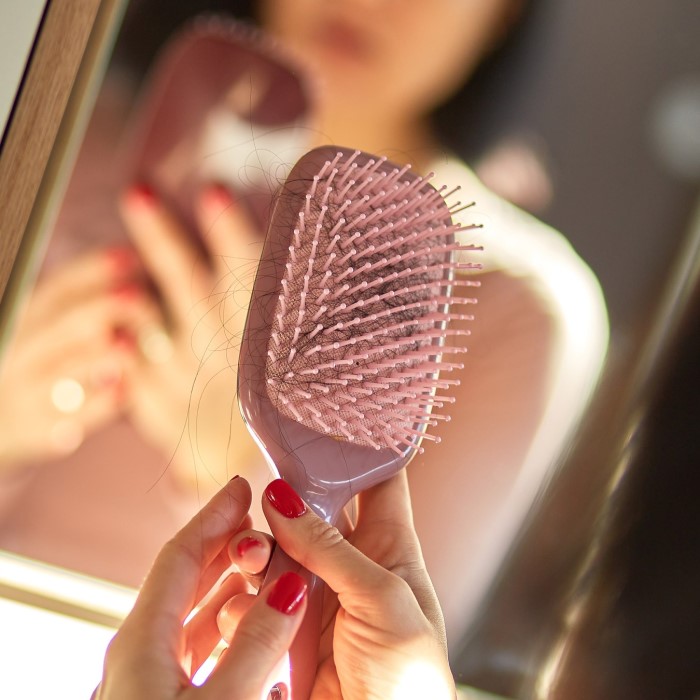
The side effects of Accutane can extend beyond the skin on the face and body; they may also affect the scalp. Dryness, irritation, or other scalp-related conditions can lead to hair loss. Maintaining a healthy scalp environment is crucial for promoting hair growth during and after treatment.
In most cases, yes. Hair loss experienced during or after Accutane treatment is typically reversible. Many patients find their hair begins to regrow after stopping the medication, often returning to its original thickness and health within several months.
Accutane does not permanently change your hair. However, some individuals may notice temporary changes in hair texture or density during treatment. These changes often resolve once the treatment is completed.
Hair regrowth can begin within a few months after discontinuing Accutane. However, it may take up to a year for full recovery, depending on individual factors such as hair health before treatment and overall nutrition during recovery.
While most side effects of Accutane resolve after treatment, some patients may experience prolonged symptoms. Hair loss is generally not permanent, but it’s essential to consult a healthcare professional for guidance if concerns persist.
In conclusion, the question of accutane hair loss permanent effects presents a complex landscape that varies among individuals. While some patients do report experiencing temporary hair loss while on Accutane, it is crucial to understand that this symptom is usually reversible. Most people experience hair regrowth within a few months of completing treatment.
Understanding the potential side effects of Accutane, along with proactive measures to manage habitat and nutritional needs, can enhance the treatment experience. Healing from severe acne is a journey, but taking care of your overall health—including hair health—prioritizes holistic well-being.
If you are considering Accutane as a treatment option or are currently on it, prioritize open dialogue with your healthcare provider. By addressing any concerns about hair loss or other side effects, you can make informed decisions that align with your health goals.
By staying educated and prepared, you can effectively manage your skin and hair health throughout your Accutane journey. Embrace the healing process while recognizing the need to care for all aspects of your well-being.
