Physical Address
304 North Cardinal St.
Dorchester Center, MA 02124
Physical Address
304 North Cardinal St.
Dorchester Center, MA 02124
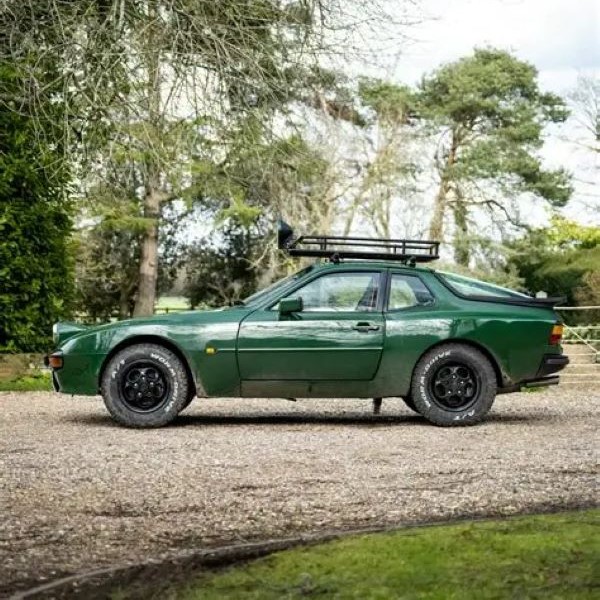
The 944 Rally Car holds a unique place in automotive history. Originally based on the Porsche 944, this model was transformed from a sleek grand tourer into a rugged, high-performance rally machine. Known for its balanced weight distribution, responsive handling, and turbocharged power, the 944 Rally Car became a favorite among privateers and motorsport enthusiasts during the 1980s and early 1990s.
Its front-engine, rear-wheel-drive layout offered predictable behavior on gravel, snow, and tarmac. This made it ideal for stage rallies where driver confidence is key. While not officially backed by Porsche in major series, many independent teams modified the 944 to compete in national and regional events. These cars often featured roll cages, upgraded suspensions, and stripped interiors. As time passed, the 944 Rally Car earned respect for its durability and agility. Transitioning from street coupe to competitive rally vehicle proved that engineering excellence could shine beyond factory showrooms.
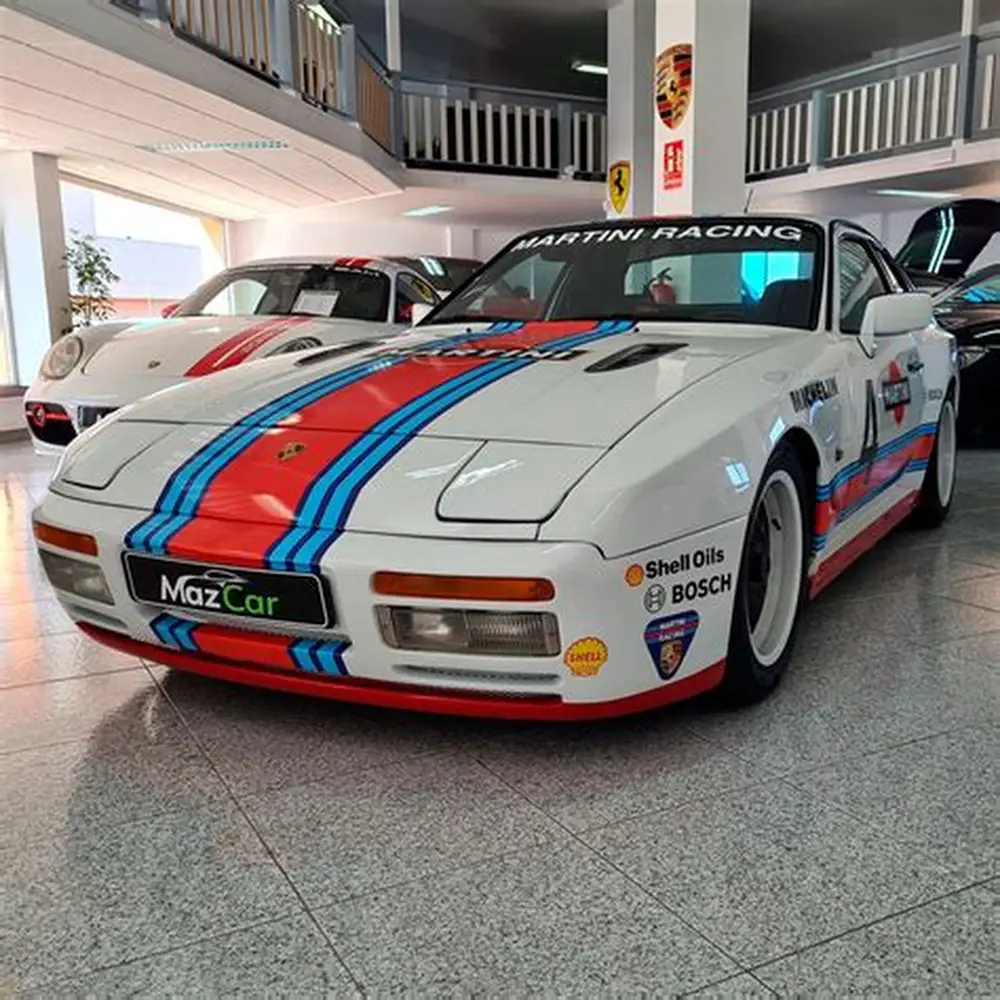 Why the 944 Rally Car Stands Out in Rally Racing
One reason the 944 Rally Car gained admiration was its near-perfect 50:50 weight balance. Unlike many front-heavy coupes, the 944 placed the transmission at the rear as part of a “transaxle” design. This improved traction and reduced understeer—critical factors when navigating tight corners at high speed. Drivers reported sharp turn-in response and stable exits from loose surfaces.
Additionally, the car’s suspension system used MacPherson struts up front and semi-trailing arms in the rear. These components were easily modified for off-road use. Teams installed stiffer springs, reinforced control arms, and long-travel dampers to handle jumps and ruts. Anti-roll bars helped minimize body roll during aggressive maneuvers.
The braking system also held up well under stress. Large vented discs and dual-circuit hydraulics provided consistent stopping power. Upgraded pads and braided lines further enhanced performance.
Even with minimal aerodynamic aids, the 944 remained planted at speed. Its low center of gravity contributed to stability. On mixed-surface rallies, this predictability gave drivers an edge over less-balanced rivals.
As rally technology evolved, so did modifications. Transitioning from stock parts to race-spec systems allowed the 944 Rally Car to remain competitive.
At the heart of every 944 Rally Car was the 2.5-liter inline-four engine. In standard form, it produced around 160 horsepower. However, rally versions quickly surpassed that figure. Many teams added turbochargers to increase output. With proper tuning, these engines reached 220–280 horsepower. Some extreme builds exceeded 300 hp.
Intercoolers played a vital role in maintaining efficiency. They cooled compressed air before it entered the combustion chamber. This prevented detonation and ensured smooth throttle response. Fuel delivery upgrades included high-flow injectors and larger fuel pumps. Ignition systems switched to performance coils and spark plugs.
Engine management systems evolved too. Early builds used carburetors or basic fuel injection. Later models adopted programmable ECUs. These allowed precise adjustments for altitude, temperature, and fuel type.
The five-speed manual gearbox proved reliable under stress. Gear ratios were often reconfigured for specific events. Close-ratio boxes worked well on tarmac. Wider spreads suited gravel stages. Limited-slip differentials maximized grip during cornering.
Cooling was essential. Long stages generated heat. Upgraded radiators, oil coolers, and electric fans kept temperatures in check. Dry-sump conversions appeared in serious competition builds.
Transitioning from road power to rally-ready strength defined the 944’s transformation.
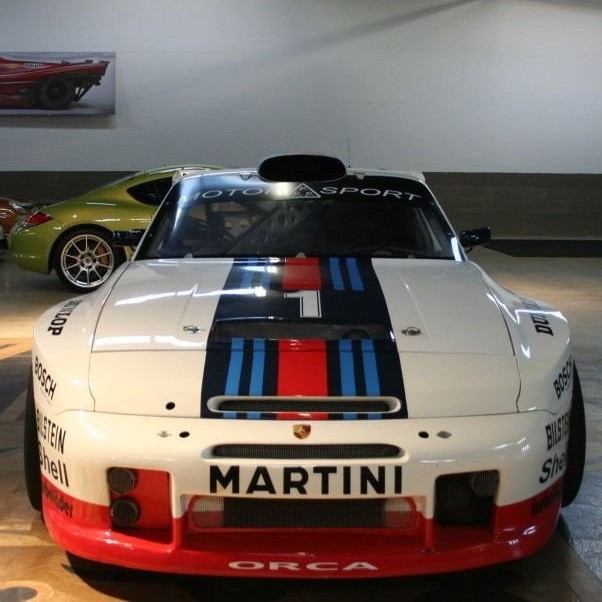 Modifications That Turned the 944 Into a True Rally Machine
Transforming a Porsche 944 into a full 944 Rally Car required extensive changes. The first step was stripping the interior. Seats, carpets, and trim came out. This reduced weight and created space for safety gear. A welded roll cage followed. Made from chromoly steel, it protected occupants during rollovers.
Racing seats with harnesses replaced factory units. Six-point harnesses held drivers securely. Fire suppression systems became standard. They activated automatically if flames were detected.
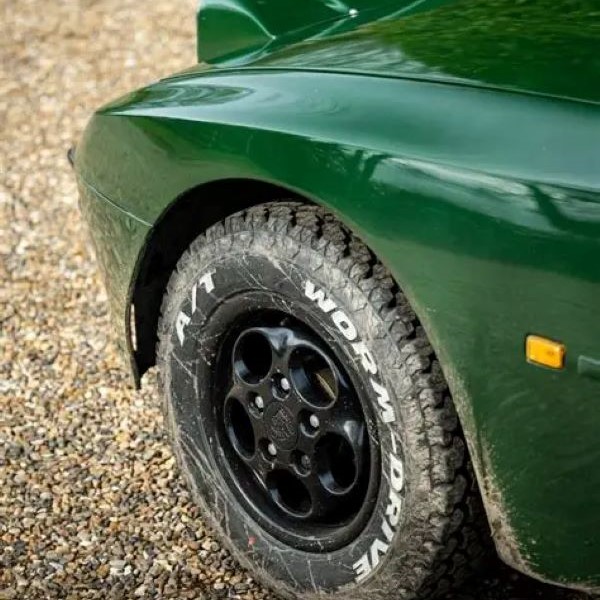
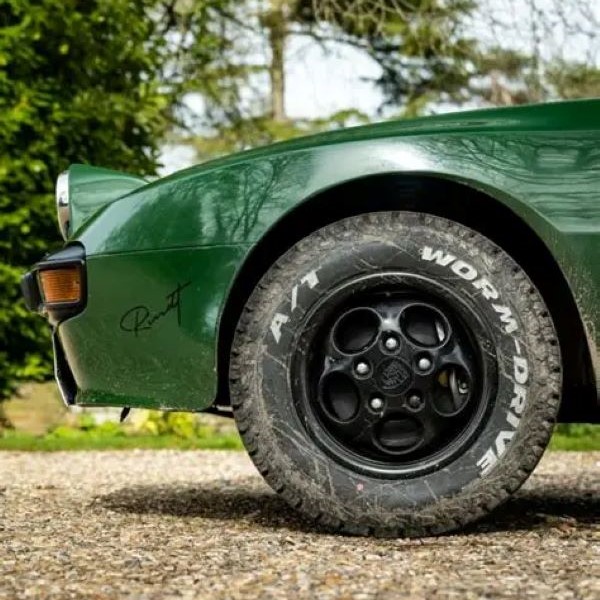
Exterior panels saw updates too. Fiberglass or aluminum hoods reduced front weight. Plastic side windows lowered overall mass. Fender flares accommodated wider tires. These improved grip on loose terrain.
Lighting upgrades were critical for night stages. Auxiliary driving lamps mounted on roof racks or bumpers. LED technology now offers bright, durable options. Older halogen or HID setups still work well.
Skid plates shielded the oil pan and fuel tank. Underbody protection prevented damage from rocks and ruts.
Electrical systems rewired for reliability. Waterproof connectors prevented shorts. Battery relocation to the cabin improved balance.
Every change served a purpose. Transitioning from comfort to competition meant sacrificing luxury for function.
Although never a factory-backed effort, several 944 Rally Car entries achieved notable success. In the North American Rally Championship (NARC), privately run 944s competed in Group 2 and Super Production classes. Drivers praised their consistency and ease of repair.
One famous example was a 944 Turbo driven by a Washington-based team in the late 1980s. It completed multiple stages of the Sno*Drift Rally despite freezing conditions. The car handled snow-covered roads with surprising composure. Mechanical failures were rare.
In Europe, German and Scandinavian clubs fielded 944s in hill climbs and forest sprints. Their lightweight frames responded well to tight, twisty courses. Crews appreciated the availability of spare parts. Even after decades, mechanics can source components from salvage yards or aftermarket suppliers.
Club-level racing kept the 944 alive. Enthusiasts restored retired models for historic events. Some now race in vintage rally series. These events celebrate classic machines without modern electronics.
Sponsorships were minimal. Most efforts relied on passion and personal funds. Yet the sense of accomplishment outweighed prize money.
Transitioning from obscurity to recognition took time. But results spoke louder than marketing.
 How the 944 Rally Car Compares to Other Rally Vehicles
When compared to other rally platforms, the 944 Rally Car had clear strengths. Against the Ford Escort RS Cosworth or Lancia Delta Integrale, it lacked all-wheel drive. This put it at a disadvantage on low-grip surfaces. However, its rear-wheel-drive setup taught drivers car control skills. Oversteer correction became second nature.
Versus the Subaru Impreza WRX STI, the 944 was lighter and simpler. Fewer complex systems meant easier repairs between stages. No turbo lag or clutch wear issues plagued early Subarus. Mechanics could fix problems with hand tools.
Compared to the Audi Quattro, the 944 didn’t dominate headlines. But it offered better affordability. Entry cost was lower. Maintenance budgets stayed manageable. For amateur racers, this mattered more than podium finishes.
The Toyota Celica GT-Four shared similar goals. Both were front-engine coupes with turbo power. But the 944’s transaxle gave it superior balance. Drivers felt more connected to the road.
On tarmac, the 944 matched or beat many rivals. Smooth pavement highlighted its precise steering. Gravel exposed its limits. Still, skilled pilots extracted strong performances.
Transitioning from comparison to competition revealed character over raw specs.
Restoring a 944 Rally Car today requires patience and research. First, locate a solid donor vehicle. Rust in wheel wells and frame rails is common. Check suspension mounts carefully. Replace any corroded sections.
Rebuild the engine with forged internals if planning track use. Use OEM-style parts for authenticity. Recondition original carburetors or update to electronic fuel injection.
Transmission work often includes rebuilding synchros. Install a short-shift kit for quicker gear changes. Clutch assemblies should be heavy-duty.
Suspension components must match intended use. Street-driven restorations use sport shocks. Full rally builds need adjustable coilovers. Polyurethane bushings improve feedback.
Electrical systems benefit from modern diagnostics. Add USB ports or Bluetooth gauges discreetly. Keep the classic look but gain real-time data.
Paint schemes matter. Replicate period-correct liveries. Sponsor decals from the 80s add nostalgia. Use vinyl wraps for easy removal.
Join online forums and owner clubs. Members share wiring diagrams, part sources, and event tips.
Transitioning from decay to restoration honors the car’s legacy.
 Where to See and Experience the 944 Rally Car
While rare, you can still see a 944 Rally Car in action. Historic motorsport festivals like Goodwood Revival or Monterey Historics sometimes feature them. Look for “Group B” or “Classic Rally” displays.
Rally sprints organized by local clubs offer hands-on chances. Some allow ride-alongs. Others host demo runs. Volunteers assist crews during events.
Museums dedicated to Porsche history may showcase modified 944s. The Porsche Museum in Stuttgart occasionally highlights non-factory race variants. Regional auto museums in the U.S. and Germany include rally exhibits.
Driving schools teach rally techniques using older platforms. Some include 944-based programs. Learn handbrake turns, pendulum starts, and trail braking.
For sale listings appear on Bring a Trailer, eBay Motors, and enthusiast forums. Prices vary widely. Fully built rally versions cost more than street-legal ones.
Simulators now model the 944 Rally Car. Use racing wheels to practice stages. Learn handling quirks safely.
Owning one connects you to a passionate community. Transitioning from viewer to participant brings deeper appreciation.
Is the 944 Rally Car street legal?
Yes, if registered and equipped with required lights, mirrors, and emissions equipment.
Can I buy parts for a 944 Rally Car today?
Yes. Aftermarket suppliers and salvage yards provide many components.
Was the 944 ever officially raced by Porsche?
No. It was primarily developed by private teams, not factory programs.
How much does a restored 944 Rally Car cost?
Between 25,000and60,000 depending on condition and build level.
Does it have four-wheel drive?
No. All 944 Rally Cars are rear-wheel drive.
What kind of fuel economy does it get?
Approximately 18–22 mpg combined. Lower during hard driving.
Can beginners drive a 944 Rally Car?
With training, yes. Start with a prepared street version before rallying.
Are there modern replacements for the 944 Rally Car?
The Porsche Cayman GT4 Clubsport shares some spirit but differs in layout and purpose.
Final Thoughts on the Enduring Appeal of the 944 Rally CarThe 944 Rally Car remains a symbol of grassroots motorsport ingenuity. It wasn’t born from a factory program. Instead, it emerged from passionate individuals who believed in its potential. Their dedication turned a refined sports car into a tough, agile competitor.
Today, the 944 inspires new generations of builders and drivers. Its blend of balance, simplicity, and performance makes it timeless. Whether restored, raced, or admired at shows, the 944 Rally Car continues to earn respect. For anyone drawn to authentic rally heritage, this machine delivers both history and excitement.
