Physical Address
304 North Cardinal St.
Dorchester Center, MA 02124
Physical Address
304 North Cardinal St.
Dorchester Center, MA 02124
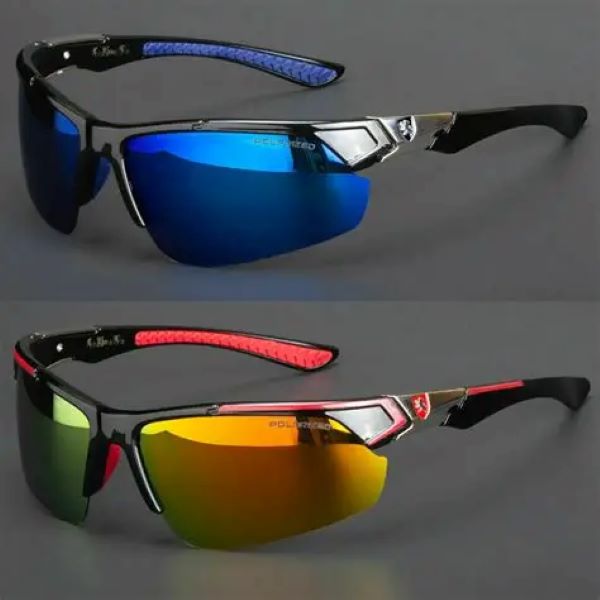
If you’ve ever worn sunglasses and still struggled with glare while driving or near water, your lenses might not be polarized. Understanding how to know if sunglasses are polarized can make a big difference in comfort and eye safety. Polarized lenses reduce intense reflected light from surfaces like roads, snow, and lakes. This improves clarity, reduces eye strain, and enhances visual contrast. As a result, they’re especially useful for drivers, fishermen, skiers, and outdoor athletes.
Moreover, many people assume all dark sunglasses offer full protection. However, tinted lenses only dim brightness—they don’t block blinding glare. Without polarization, you may still squint or feel discomfort in bright conditions. Therefore, knowing how to know if sunglasses are polarized helps you choose eyewear that truly performs. It’s not just about style; it’s about function and long-term eye health.
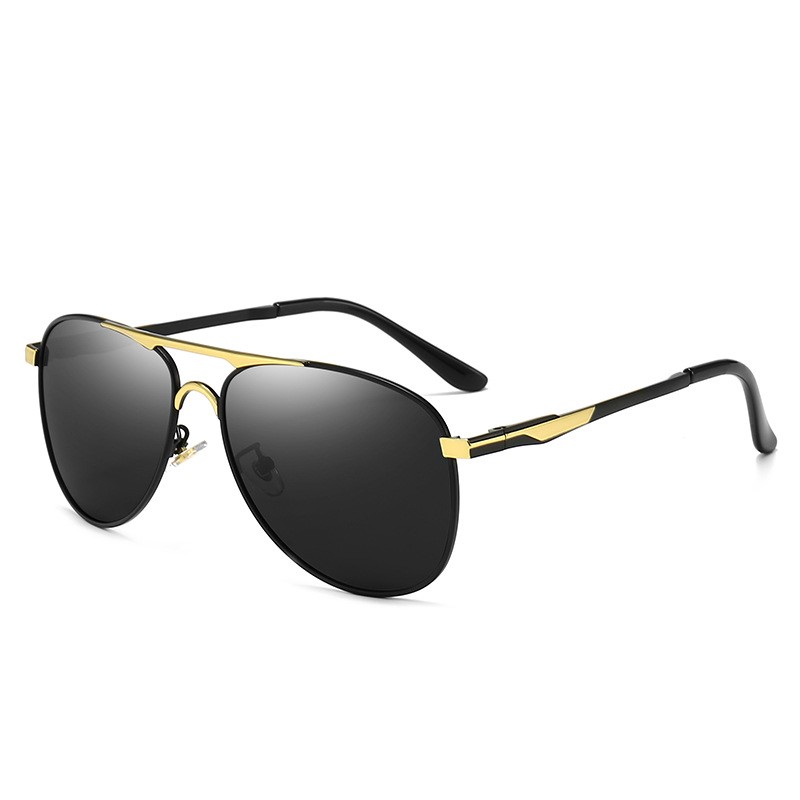 Why Polarization Matters for Eye Comfort and Safety
Sunlight reflects off flat, smooth surfaces such as water, pavement, and car hoods. These reflections create horizontal light waves that flood your eyes. This type of light is called glare. It distorts vision, washes out colors, and causes temporary blindness. In extreme cases, it increases the risk of accidents while driving or cycling.
Polarized lenses contain a special vertical filter embedded inside the lens material. This filter blocks horizontal light waves but allows vertical ones to pass through. The result is clearer, sharper vision with less squinting. Colors appear more vivid and natural. Depth perception also improves, which is crucial during sports or navigation.
Additionally, reduced eye fatigue means longer comfort during extended wear. People who spend hours outside notice less dryness and irritation. Children and older adults benefit too. Their eyes may be more sensitive to harsh light. Therefore, wearing polarized sunglasses supports both performance and wellness.
Hence, checking whether your shades are polarized ensures you get real value from your purchase.
One easy way to find out how to know if sunglasses are polarized is the reflection test. Stand near a reflective surface like a car window, glass door, or body of water. Put on the sunglasses and tilt your head slightly to the left or right. If the glare changes or reduces during the tilt, the lenses are likely polarized.
Another method is the LCD screen test. Hold your sunglasses in front of a phone, tablet, or laptop screen. Rotate them 60 to 90 degrees. If the screen appears darker or shows black patches when tilted, the lenses are polarized. This happens because both the screen and the lenses use polarization technology. When aligned perpendicularly, they cancel each other out.
You can also try the second-sunglass test. Place two identical pairs of sunglasses together. Look through one lens of each pair while rotating one over the other. If the view darkens significantly at certain angles, polarization is present. This works best with two pairs of known quality.
These tests require no tools. They deliver fast results. Therefore, always verify before relying on your sunglasses outdoors.
 What to Look for on Labels and Packaging
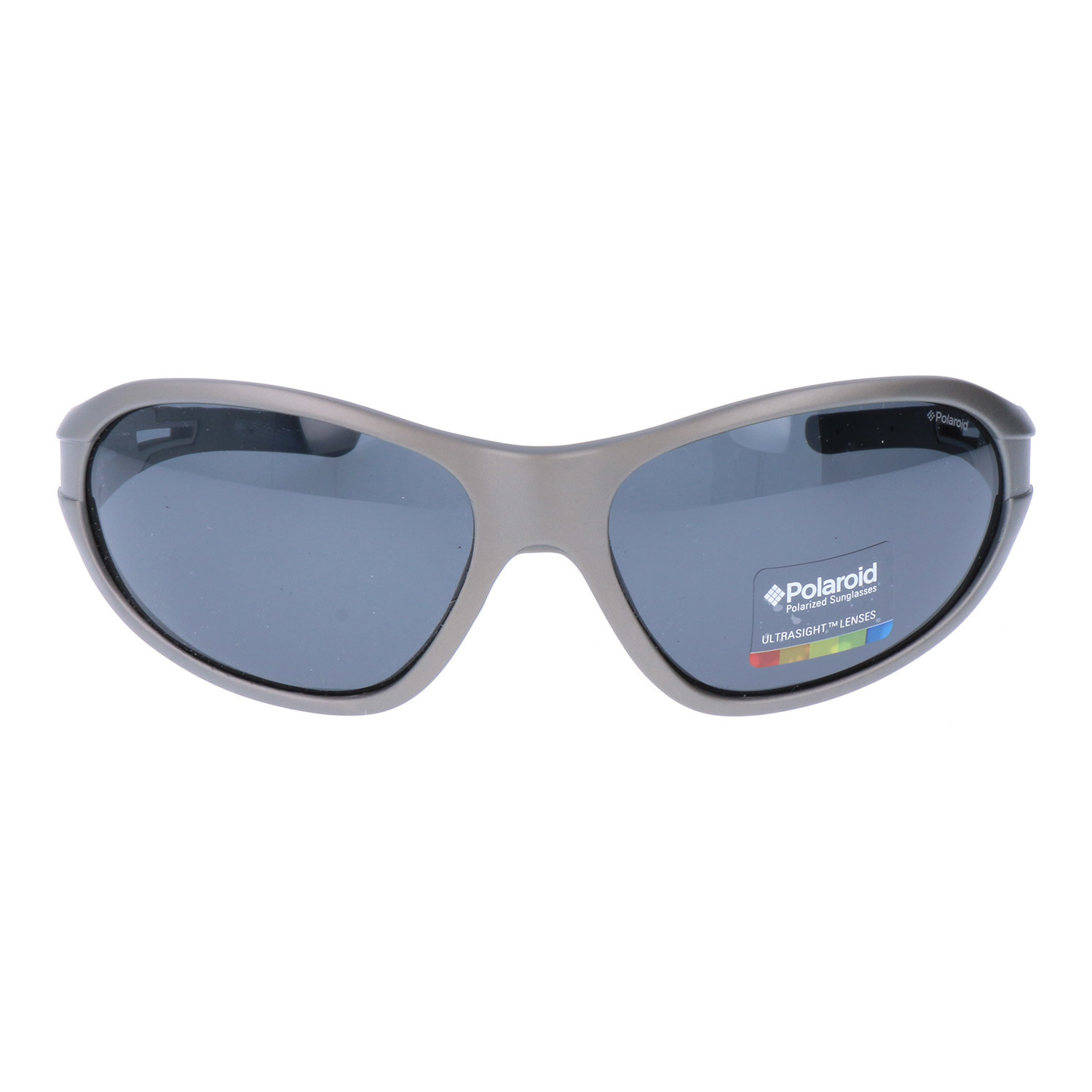
When buying new sunglasses, check the packaging carefully. Reputable brands clearly label whether lenses are polarized. Words like “Polarized,” “Anti-Glare,” or “Glare-Free” often appear on the box. Avoid vague terms like “UV Protection” alone—this doesn’t mean polarized.
Look for specific certifications. Some manufacturers list compliance with ANSI Z80.3 standards. These regulate optical clarity and impact resistance. Others mention UVA/UVB protection up to 400nm. This confirms UV blocking, which is separate from polarization.
Brands like Ray-Ban, Oakley, Costa Del Mar, and Maui Jim usually mark polarized models clearly. Often, they include a small “P” icon on the lens corner. This serves as a quick reference. If shopping online, read product descriptions thoroughly. Customer photos may show this detail.
Ask store staff if unsure. Many retail locations offer demo screens to test polarization. They rotate lenses in front of displays to show the effect. This hands-on approach builds trust.
Therefore, checking labels and asking questions prevents false assumptions.
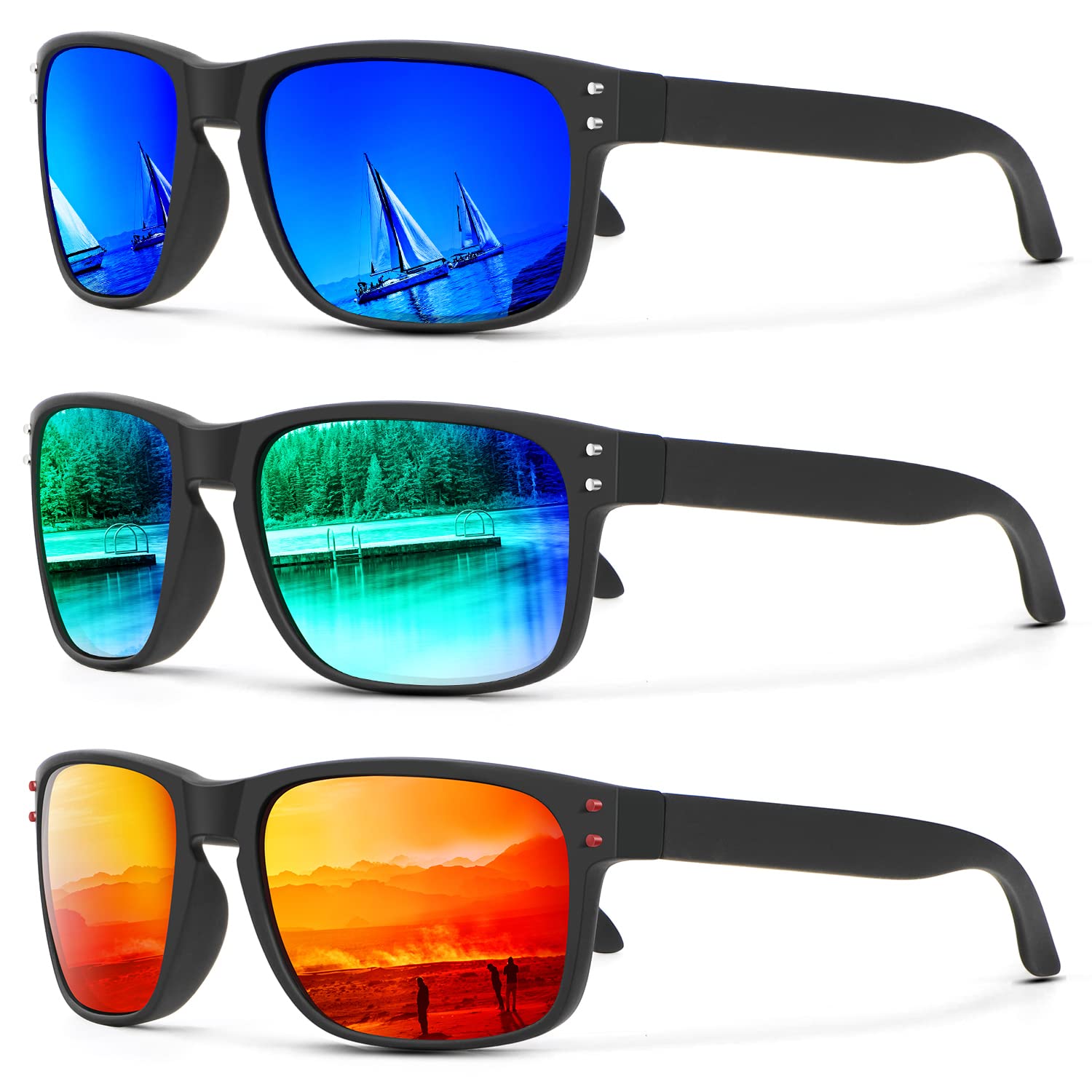 Common Misconceptions About Polarized Sunglasses
Many believe darker lenses automatically mean better protection. This is false. Lens darkness affects brightness but not glare. A dark non-polarized lens can actually worsen glare. It causes pupils to dilate, letting in more harmful reflected light.
Another myth is that all expensive sunglasses are polarized. While premium brands often include this feature, it’s not guaranteed. Always confirm through testing or labeling.
Some think polarization eliminates all UV rays. Again, this is incorrect. Polarization and UV protection are separate features. One reduces glare; the other blocks harmful radiation. Ideally, your sunglasses offer both.
Others claim polarized lenses interfere with phone screens. While slight dimming occurs at certain angles, normal use remains unaffected. Tilting the phone fixes visibility issues.
Also, some say polarization isn’t needed unless near water. But glare comes from roads, buildings, and snow too. Drivers and city dwellers benefit greatly.
Therefore, understanding these facts helps you make informed choices.
Driving is one of the top uses for polarized sunglasses. Sunlight reflecting off hoods, windshields, and wet roads creates dangerous glare. Polarized lenses cut through this, improving reaction time. You see lane markings, signs, and pedestrians more clearly.
Fishing and boating rely heavily on polarization. Water reflects intense light, making it hard to see beneath the surface. With polarized lenses, anglers spot fish, rocks, and structure easily. This boosts success and enjoyment.
Winter sports like skiing and snowboarding also benefit. Snow reflects up to 80% of sunlight. This causes “snow glare” and increases the risk of photokeratitis (sunburn of the eye). Polarized goggles or sunglasses protect vision and improve balance.
Cycling and running on paved paths reduce eye fatigue. Road reflections disappear. Athletes maintain focus without constant squinting.
Photographers use them to judge lighting accurately. Pilots avoid cockpit glare. Beachgoers enjoy clear views of the ocean. Kids playing outside stay comfortable.
Even daily errands become easier. Walking across parking lots or waiting at crosswalks feels safer. Hence, polarization offers wide-ranging advantages.
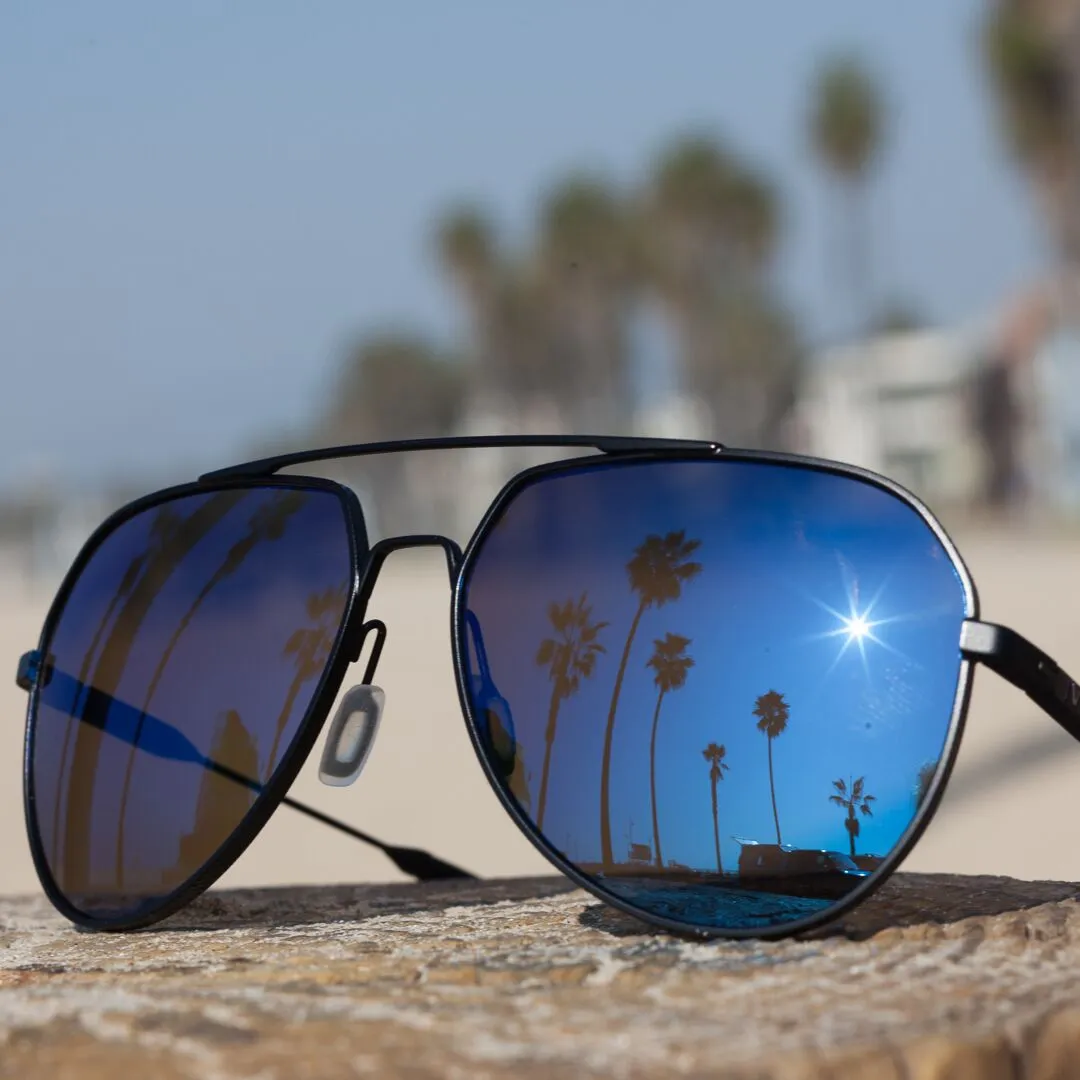 Caring for Polarized Sunglasses to Maintain Performance
To keep polarized lenses effective, handle them properly. First, clean with a microfiber cloth. Avoid paper towels or clothing. These scratch coatings over time. Use lens-safe cleaning spray if needed. Never wipe dry lenses aggressively.
Always store sunglasses in a hard case. Soft pouches provide minimal protection. Hard shells prevent pressure damage. Keep them away from hot areas like car dashboards. High heat can warp frames and degrade internal filters.
Avoid placing them face-down on rough surfaces. Scratches disrupt polarization effects. Replace scratched lenses instead of continuing use.
Do not use household chemicals like ammonia or bleach. These dissolve protective layers. Stick to products made for eyewear.
Replace old pairs every few years. Coatings wear down even with care. If you notice increased glare, it may be time for new ones.
Therefore, proper maintenance extends both life and function.
Can I polarize my current sunglasses? Not at home—requires professional treatment. Do cheap sunglasses have real polarization? Some do—always test first. Can kids wear polarized lenses? Yes—and they need them more due to sensitive eyes.
Are polarized lenses good for night driving? No—do not wear any sunglasses at night. Do they work with LED screens? Mostly yes—with minor angle adjustments. Can I wear them in cloudy weather? Yes—glare exists even on overcast days.
Do prescription glasses come polarized? Yes—ask your optician. Is there a downside to polarization? Rarely—but they may affect LCD visibility at odd angles. Do they help with headaches? Yes—by reducing eye strain caused by glare.
These answers help users apply knowledge confidently.
Final Thoughts on Choosing the Right Eye ProtectionUnderstanding how to know if sunglasses are polarized empowers smarter decisions. It moves you beyond fashion and into true functionality. Whether you’re behind the wheel, on the water, or simply walking under a bright sky, glare reduction matters. Investing in verified polarized lenses protects your eyes and enhances daily life.
Moreover, combining polarization with 100% UV protection delivers complete defense. You gain comfort, clarity, and long-term eye health benefits. Regular testing ensures continued performance. Therefore, never assume—always check. With the right knowledge, every pair you own can serve its purpose. So next time you pick up your sunglasses, ask yourself: how to know if sunglasses are polarized—and take action.
