Physical Address
304 North Cardinal St.
Dorchester Center, MA 02124
Physical Address
304 North Cardinal St.
Dorchester Center, MA 02124
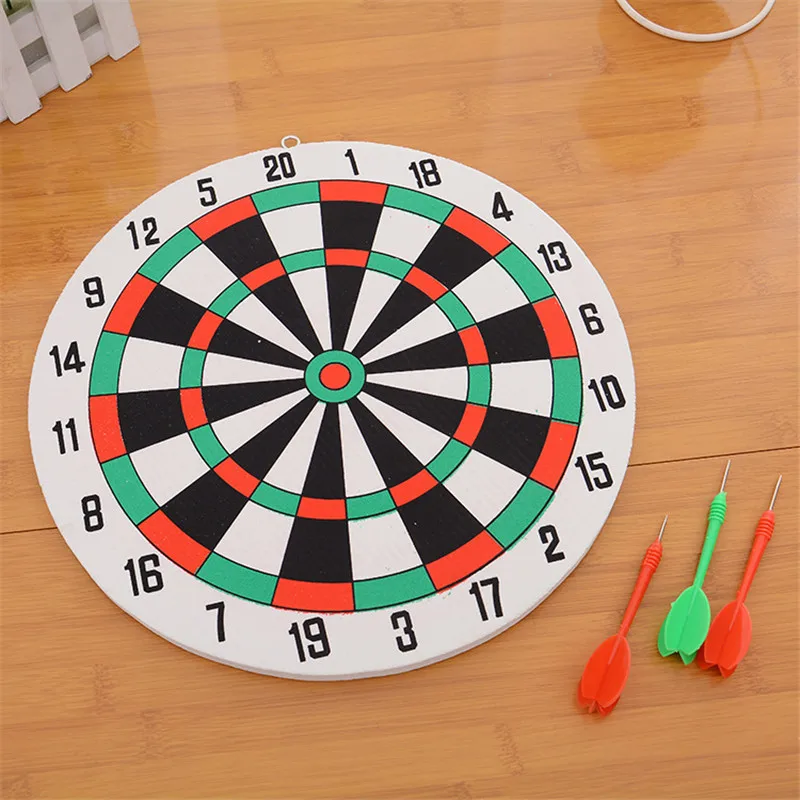
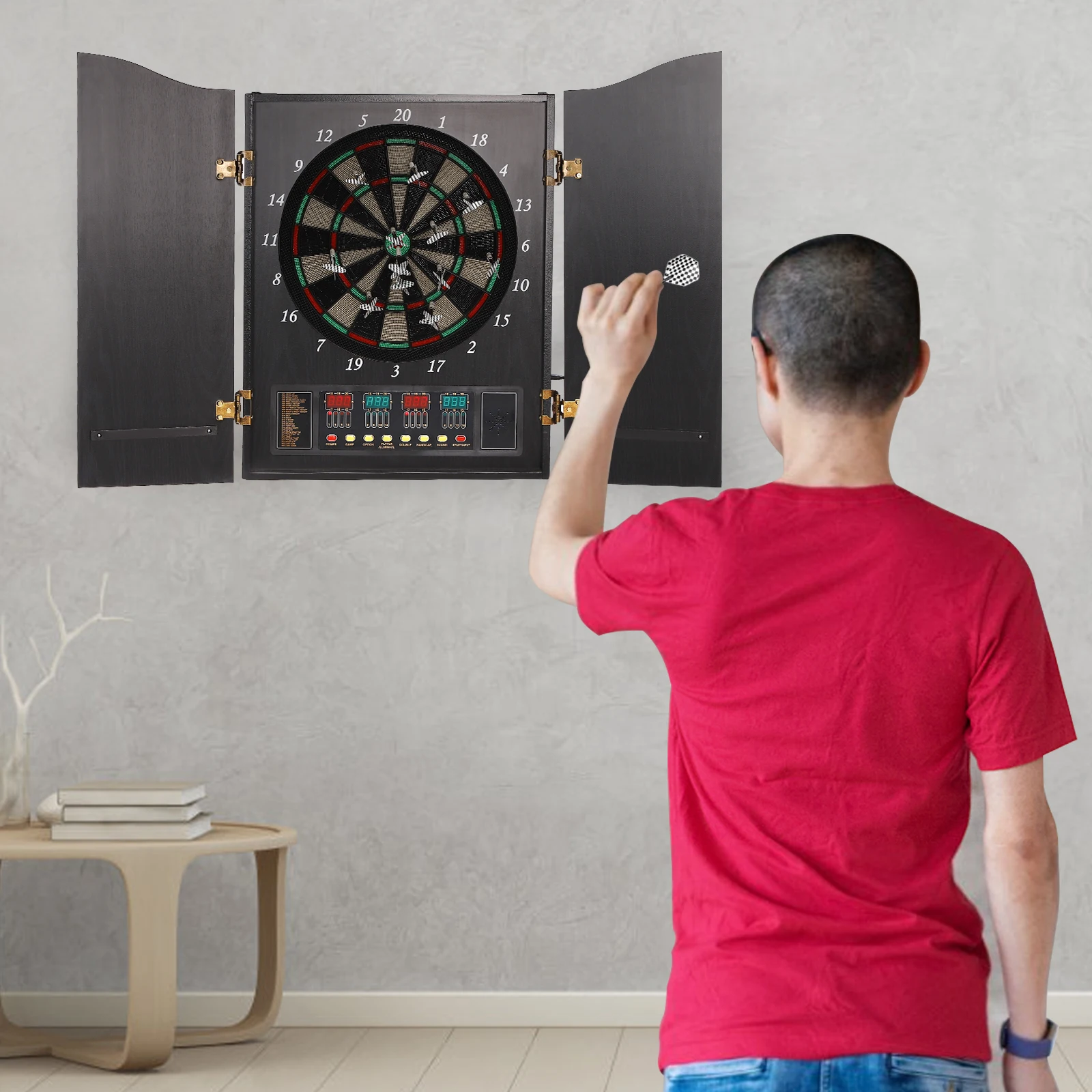
Setting the correct dart board height is essential for fair, competitive, and enjoyable gameplay. Whether you’re installing a board at home or setting up for a tournament, getting the measurement right ensures consistency across all players. The standard dart board height matters because it creates an even playing field.
Moreover, following official guidelines helps avoid disputes during games. Many casual players install their boards too high or too low without realizing it. This can affect throwing mechanics and scoring accuracy. Therefore, understanding the proper dart board height improves both fun and fairness.
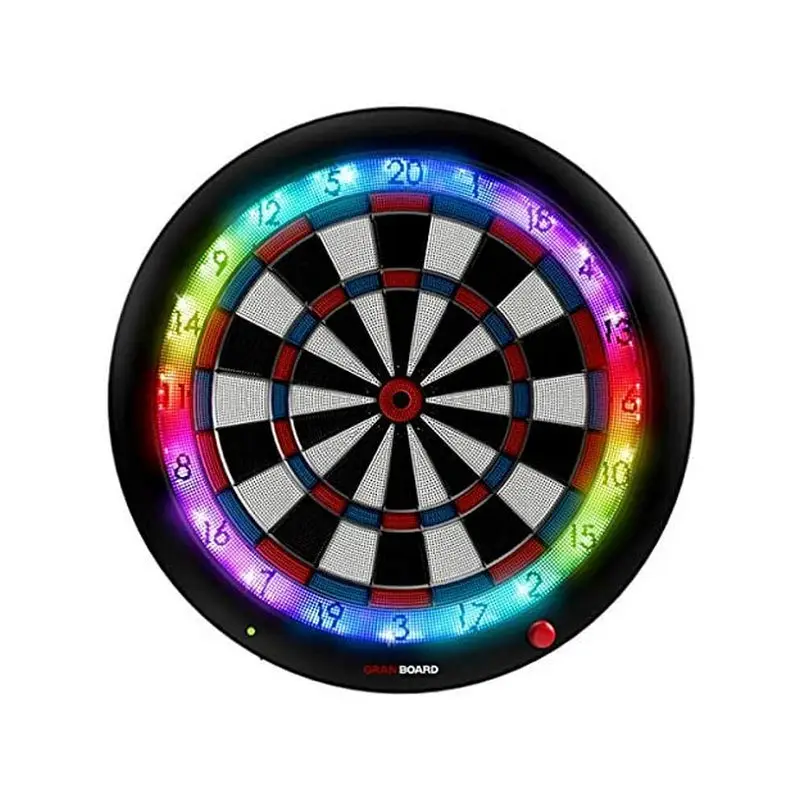 Why Standard Dart Board Height Matters in Gameplay
The standard dart board height plays a critical role in how darts land on the target. When every player throws from the same angle, skill becomes the deciding factor. If one board is set too high or low, it distorts that balance.
For example, a board mounted too high forces players to aim upward constantly. This changes wrist movement and throw rhythm. Over time, it can lead to inconsistent results and poor form development.
Conversely, a board placed too low encourages a downward arc. This may cause more bounce-outs or off-center hits. Players adjust their stance incorrectly, which harms muscle memory.
Tournaments require strict adherence to rules. Organizations like the World Darts Federation (WDF) and Professional Darts Corporation (PDC) enforce exact measurements. Any deviation could disqualify a setup.
Home setups benefit just as much. Families and friends enjoy better matches when conditions are equal. No one gains an unfair advantage due to incorrect mounting.
Also, teaching new players becomes easier with accurate settings. They learn proper technique from the start. Bad habits are harder to fix later.
Therefore, paying attention to dart board height supports long-term growth and enjoyment.
All major darts organizations agree on the same dart board height. According to the PDC, WDF, and former BDO rules, the center of the bullseye must be 5 feet 8 inches (173 cm) above the floor. This measurement applies to steel-tip darts.
The distance from the throwing line also follows strict rules. Players stand 7 feet 9¼ inches (2.37 meters) away from the face of the board. This creates the ideal trajectory for consistent play.
These standards ensure uniformity across competitions worldwide. From local leagues to televised finals, every venue uses these numbers. This allows players to transition smoothly between locations.
Soft-tip electronic boards follow slightly different rules. The recommended height remains the same—5’8” to the bullseye. However, the throw line is shorter, usually 8 feet (2.44 meters). Always check your machine’s manual.
Youth or beginner setups sometimes use lower heights. While not official, this helps younger players develop coordination. As they grow, they gradually shift to standard levels.
Always measure from the floor to the center of the bullseye. Do not measure to the top or bottom edge. Use a tape measure and level tool for precision.
Mounting brackets often include alignment guides. These simplify installation. Follow them carefully to avoid errors.
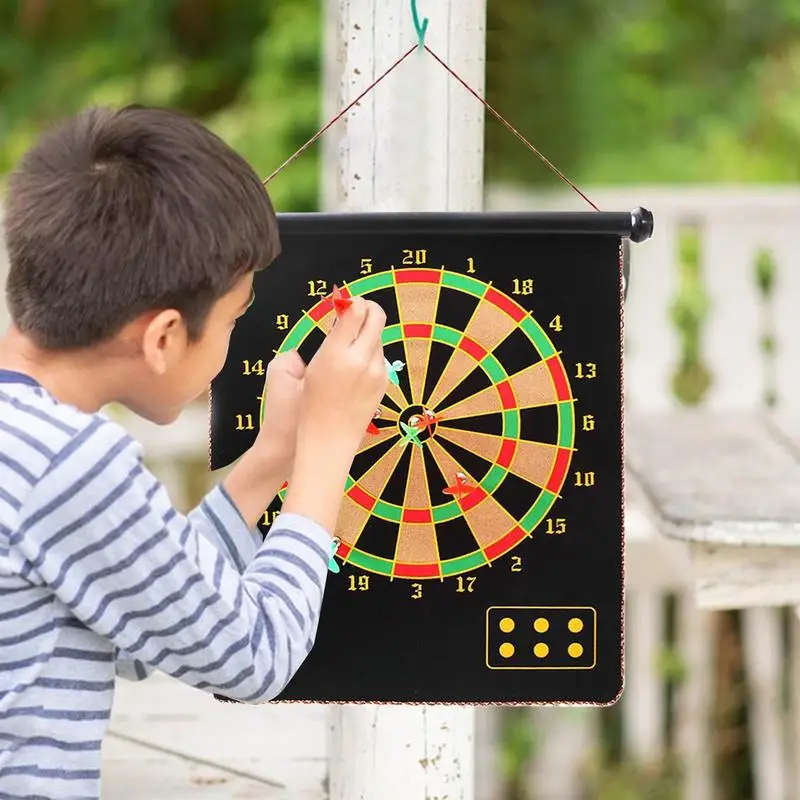 How to Measure and Install at the Correct Dart Board Height
Begin by choosing the right wall space. Make sure it’s clear of furniture and traffic paths. You need at least 3 feet of clearance on each side of the board. Safety comes first.
Next, locate the bullseye position. Use a measuring tape to mark 5 feet 8 inches (173 cm) from the floor. Double-check with a level to ensure the point is straight.
Use a pencil to make a small dot. This marks where the center of the board will sit. Align the board so its bullseye matches this point exactly.
Secure the board with screws or a mounting bracket. Avoid using nails—they can loosen over time. Wall anchors work best in drywall or plaster.
Now measure the throw line. Extend a tape measure 7 feet 9¼ inches (2.37 m) from the board’s face. Mark this line clearly on the floor.
Use sticky tape, wood, or a rubber mat for the oche. It should be visible and slip-resistant. Replace worn lines regularly.
Check everything again before playing. Confirm height, distance, and board stability. A loose board affects scoring.
If you have multiple users, consider a height-adjustable frame. Some models allow quick shifts between adult and youth levels. These suit family rooms well.
Finally, test with a few practice throws. Adjust only if necessary. Once set, keep the setup consistent.
One of the most frequent errors is measuring from the wrong point. Some people measure from the bottom of the board instead of the bullseye. This makes the target too high. Others guess the height, leading to inconsistency.
Another mistake is ignoring floor slope. Carpets, tiles, or uneven surfaces can tilt the oche. This alters throwing angles. Always use a level surface for accurate play.
Placing the board near doors or walkways causes safety issues. Flying darts pose risks. Ensure at least 3 feet of open space behind the throw line.
Using weak wall materials leads to instability. Boards wobble after repeated hits. This disrupts focus and damages walls. Anchor into studs or use heavy-duty mounts.
Some players forget to account for lighting. Shadows cast by overhead lights hide sections of the board. Install side or back lighting for full visibility.
Ignoring left-right positioning causes imbalance. The bullseye should align with the center of the throwing line. Misalignment skews targeting.
Children’s setups sometimes remain too low for too long. While helpful early on, staying below regulation hinders progress. Transition to standard height as skills improve.
Avoid rushing installation. Take time to get it right. A properly installed board lasts longer and performs better.
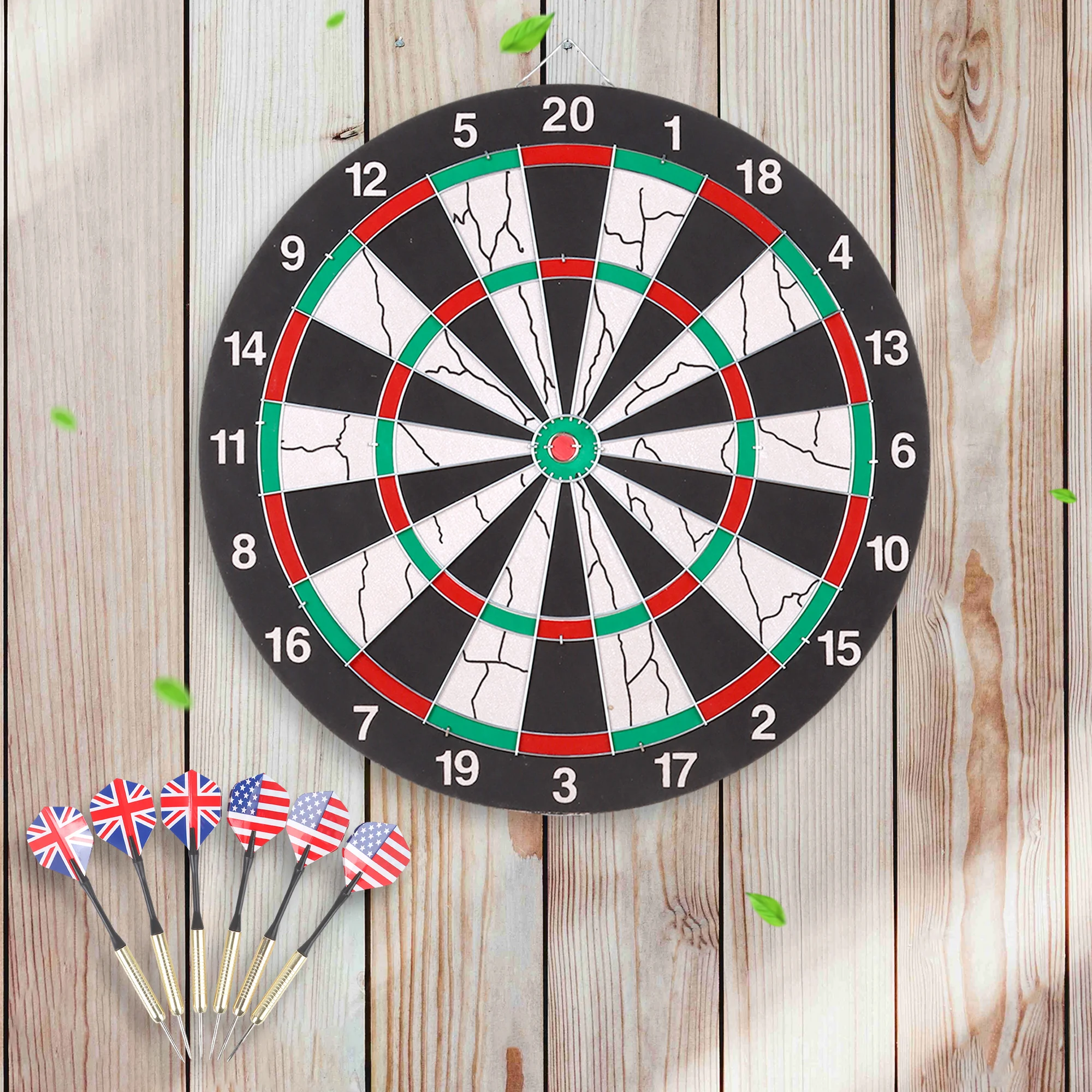 Variations in Dart Board Height for Different Needs
While the standard dart board height is 5’8”, adjustments exist for special cases. For young children, lowering the board helps build confidence. A height of 4 to 5 feet works for ages 6–10. As they grow, raise it gradually.
Soft-tip electronic darts use similar mounting rules. The bullseye still sits at 5’8”. However, the throw line is farther back—usually 8 feet. This accounts for lighter dart weight and higher launch speed.
Adaptive play may require modifications. Players in wheelchairs often need personalized setups. The key is maintaining fairness while accommodating mobility needs. Some organizations allow slight variations if documented.
Left-handed players do not need different heights. The board stays centered. Only the player’s stance changes. This keeps competition balanced.
Custom game rooms sometimes use dual-height mounts. These allow switching between adult and junior modes. Great for homes with mixed-age users.
Outdoor installations need weatherproofing. But height remains unchanged. Use covered patios or sheds to protect equipment.
Portable stands offer flexibility. Many include adjustable legs. Check that the top setting reaches 5’8” before buying.
Always document any non-standard setup. This avoids confusion during friendly matches.
Having the right tools ensures accurate dart board height. Start with a retractable measuring tape. Choose one with both metric and imperial units. This simplifies conversions.
A bubble level is essential. Place it across the top of the board during installation. Adjust until the bubble centers. This prevents tilting.
Laser measuring devices increase precision. They project a dot at the exact height. Useful for hard-to-reach spots or dark rooms.
Wall anchors support heavier boards. Hollow walls require toggle bolts or plastic sleeves. These prevent pulling out over time.
Mounting kits often come with the board. They include screws, washers, and alignment guides. Read instructions before starting.
Oche markers help define the throw line. Use adhesive strips or wooden blocks. Painted lines wear off quickly.
Protective wall covers reduce damage. Corkboards, fabric panels, or dart surrounds absorb stray throws. Install them at least 18 inches around the board.
Storage trays keep darts organized. Magnetic or foam-lined holders attach nearby. This keeps tips safe and accessible.
Investing in quality tools pays off. Accurate setup means fewer corrections later.
 Frequently Asked Questions
Is 5 feet 8 inches measured to the bullseye? Yes. Always measure from the floor to the center of the double bullseye.
What if I don’t have enough space? Try adjusting room layout. Never compromise on throw line distance. Shorter throws create bad habits.
Can I mount the board higher for tall players? No. Everyone plays at the same height. Tall players adapt their stance.
Do soft-tip darts need a different height? No. Bullseye height is the same. Only the throw line changes.
How do I check my board is level? Use a bubble level across the top. Recheck after heavy use.
Should I remount after moving? Yes. Walls vary. Always verify height and distance in a new location.
Where can I buy mounting supplies? Hardware stores, online retailers, or dart specialty shops carry them.
Final ThoughtsGetting the dart board height right transforms your game. It supports fairness, accuracy, and long-term skill development. Whether you’re a beginner or host weekly matches, precision matters.
This simple adjustment impacts every throw. Players build reliable muscle memory. Scoring improves naturally.
With the correct setup, everyone enjoys a true challenge. No one wins due to faulty installation. Competition stays honest and fun.
In conclusion, always follow the official dart board height. It’s more than a number—it’s the foundation of great darts. Because when every detail counts, the right setup makes all the difference—and mastering dart board height gets you there.
